
In the new series, focused on food, we welcome Max Meigen, founder of Serviette magazine. Serviette is an award-winning publication that explores the cultural conversations that center around food. Meigen’s resume also includes being the founder and former operator of Avling, a circular restaurant, brewery, and urban farm in Toronto. He works at the intersection of food, culture, and design, and is based in Copenhagen.
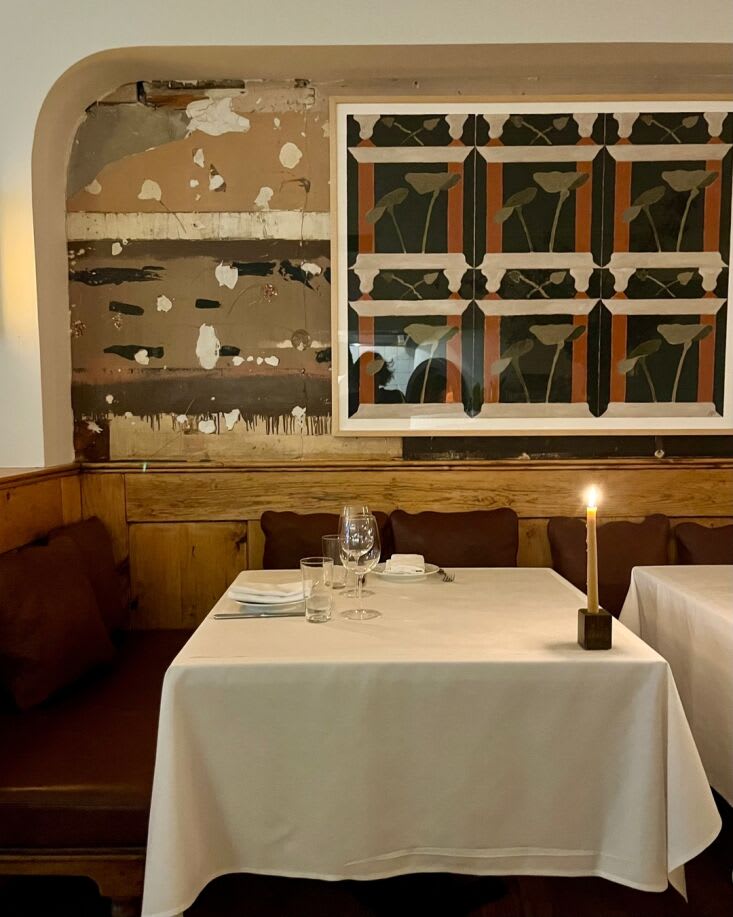
Hospitality has been at the focal point of our collective attention for a while now—from prestige film and television to unprecedented investment from fashion houses and luxury brands. Restaurants have re-entered the cultural imagination as something with cultural meaning, not just consumption.
After more than a decade dominated by platforms, algorithmic flattening, and abstraction, it makes sense that we’re now turning to the sensory density and tangible experience of restaurants for relief. The thinning quality we now accept from most brands is part of a wider shift: enshittification. Coined by Cory Doctorow to describe the malicious lifecycle of contemporary digital platforms, the term is useful to the increasing number of cultural domains.
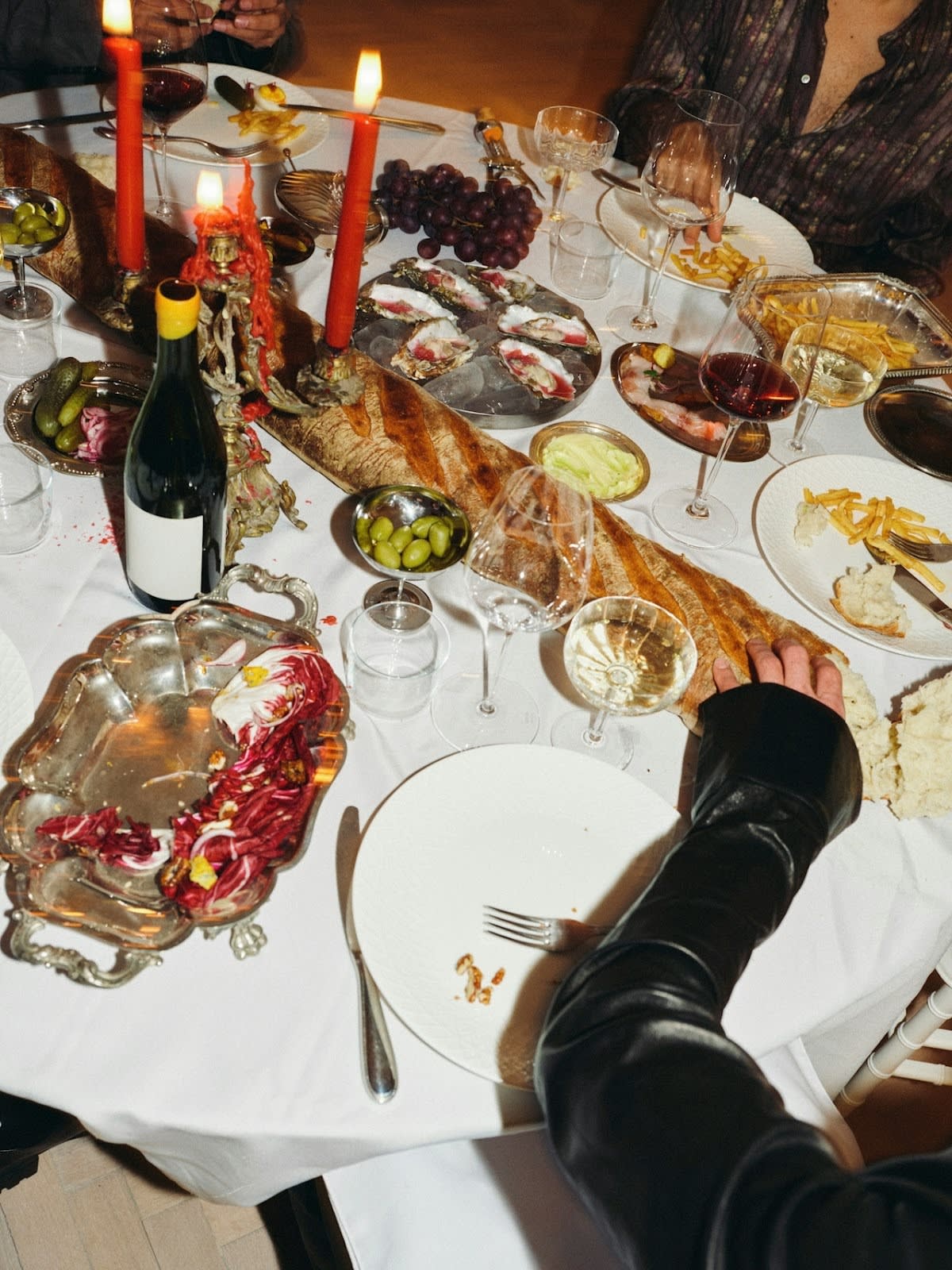
First comes value: frictionless convenience at low-to-no cost. Then comes conditioning: consumers learn to expect those low barriers, making other business models feel impossible. Once competition is stamped out and users are trapped, extraction begins—subscription fees for what used to be free, planned obsolescence and mandatory updates, dating platforms selling matches for cash.
Against this backdrop, hospitality matters because it runs (or should run) on a different logic. In the platform economy, friction is engineered out so extraction can be engineered in. But in great restaurants, effort is the product. Dough must ferment. Sauces must reduce. You might wait for a table. Broth must thicken.
Craft, novelty, and time are the value being delivered—which makes hospitality a potent antidote to the flattened, extractive experience economy.
Food has always been a tool for storytellers and advertisers. But it’s increasingly used as a cultural signifier: performance, not nourishment. Nara Smith’s fresh-baked sourdough with hand-churned butter is frictionless food design—an aesthetic of effort engineered to elicit aspiration while remaining, in practice, effortless to consume as content.
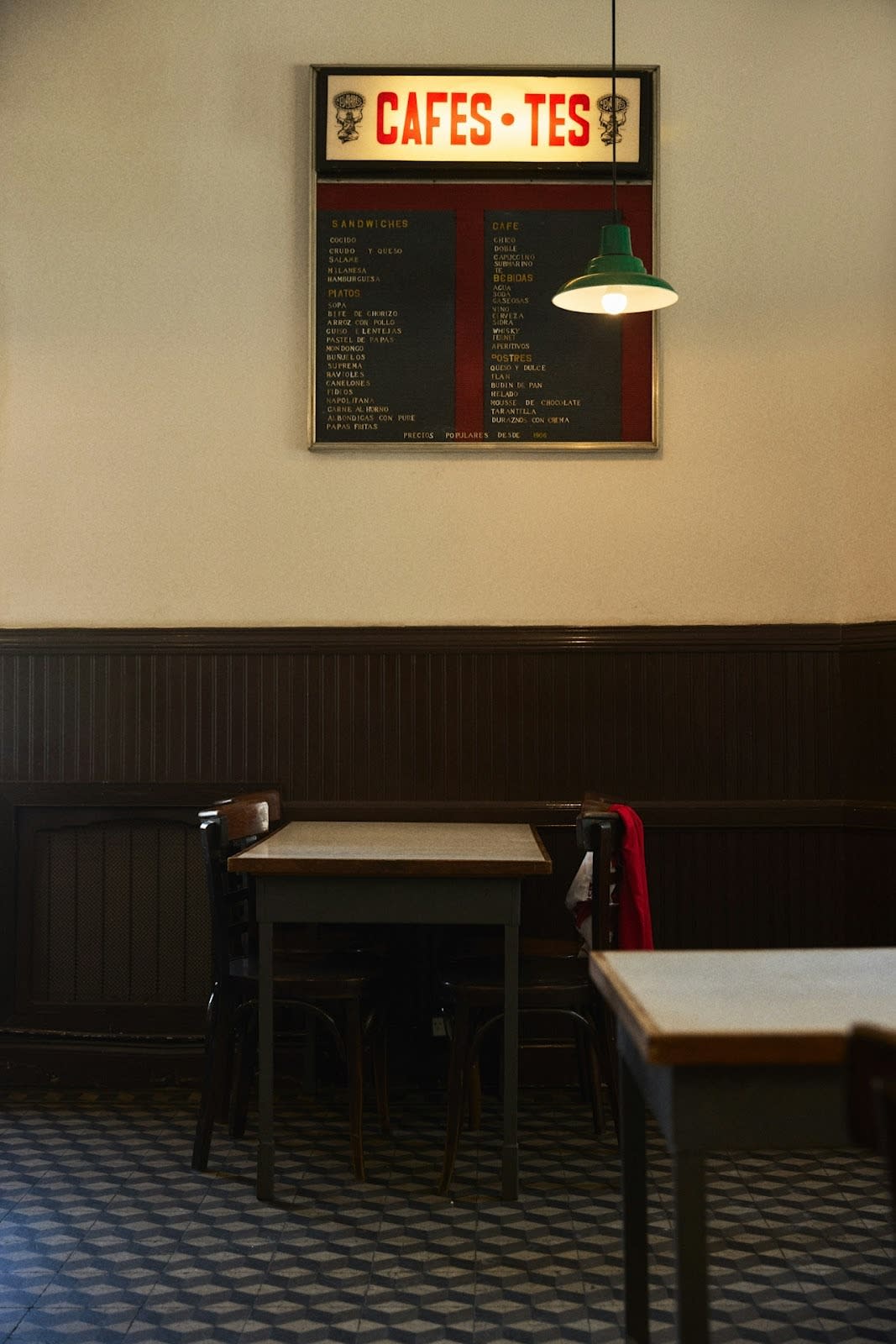
Restaurants, at their best, extend past signaling. Interiors, lighting, acoustics, service choreography, experiential design, and culinary arts combine into a dense, multi-disciplinary encounter that aims to nourish. With its slower pace and insistence on craft, hospitality becomes a mechanism for embodied worldbuilding in a landscape built to abstract. A great restaurant doesn’t merely feed you; it engages you—tangibly—with a realized idea of how life can and should be joyfully lived. Menu is a manifesto.
Of course, restaurants are not immune to enshittification. Brands can colonize them, turning the meal into a site of extraction. It shows up in the Salt Bae genre of spectacle steakhouses, in food optimized to photograph better than it tastes, and in delivery platforms that homogenize menus while gutting operations. This is what happens when you start with brand codes and trend signals and bolt hospitality on as an afterthought. The results are almost always underwhelming.
If restaurants are going to function as a real counterforce to platform rot, they have to stop performing hospitality and start practicing it. Durable worldbuilding happens at the scale of a bar seat, not a campaign. It compounds through human attention, not media spend. It requires real stakes: craft that’s visible, time that’s respected, care that can’t be outsourced.
And here’s the uncomfortable part for brand leaders: every time you remove friction, ask what you’re actually removing. Are you shaving inconvenience, or shaving meaning? Are you making things easier, or just more extractable? Who pays for your efficiency—staff, suppliers, customers, culture?
Restaurants aren’t inherently virtuous. They can be pretentious, exclusionary, cynical, mediocre. But in a commercial world increasingly engineered to take more while giving less, they remain one of the last mainstream places where the value proposition still has to be delivered in full, in person, in time. Which is precisely why everyone wants to own them—and why we should be suspicious when they suddenly “scale.”